


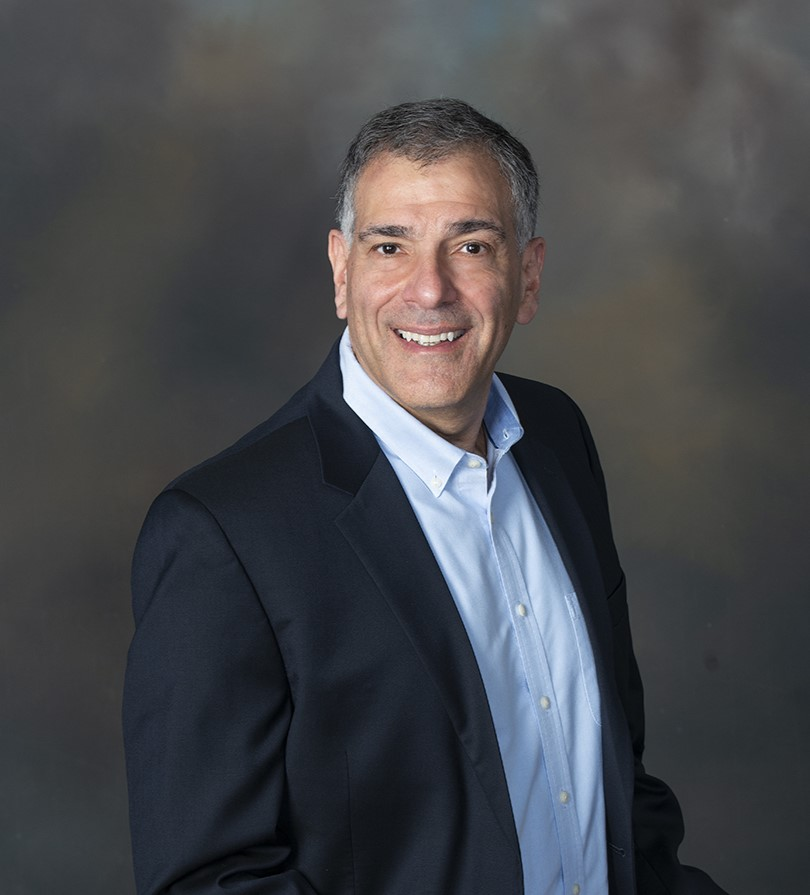

This edition of SeniorLAW Insights comes from SeniorLAW Center Board Member and pro bono attorney, John Anooshian. John adapted his October 2024 Pro Bono Spotlight article featured in the Philadelphia Bar Reporter for this blog article. Read on to learn about the need for civil legal assistance among older adults and the profound difference you can make as a pro bono attorney for older people in our community.
Low-income elders, individuals and families who cannot afford a lawyer for their most basic legal problems — shelter, domestic and family violence, child custody, loss of health care or basic income — do not have the right to one and must navigate the legal system alone.”* That is the unfortunate reality many older Americans face at a time in their lives when they may be ill- equipped to cope with the challenges of managing their own legal affairs.
A 2021 survey by Legal Services Corporation showed that 62% of low-income seniors (those 65 and over) and 70% of those households had at least one civil legal problem in the preceding year. Among their findings: During this period, low-income seniors did not receive any or enough legal help for over 90% of their problems.
The justice gap is particularly concerning given how rapidly our population is aging. As Former Texas Supreme Court Chief Justice Nathan L. Hecht explained,
Unmet needs for basic civil legal services — the justice gap — direly impact people’s lives, court processes and efficiency, the economy, and society. I must add, as a steward of judicial office, that the justice gap also threatens the integrity of the rule of law itself, suggesting that it applies not to all and not equally, as promised, but only to people of means.**
Still, there is reason for optimism in our area.
Since it was founded over 40 years ago, SeniorLAW Center has dedicated itself to seeking justice for older Pennsylvanians. The Center offers an array of critical programs and services in areas such as housing, elder abuse and exploitation, grandparents raising grandchildren, and advance life planning. Their mission is to seek justice for older people using the transformative power of the law, educating the community, and advocating on local, state and national levels.
For me, it is an honor to play a very small part in the Center’s vital efforts as both a volunteer attorney and Board Member. It is also a natural fit.
I grew up in the City of Port Jervis, a small town on the Delaware River in New York State (technically, it qualifies as a city). Early settlement in the area dates back to the late 1600s and the City was once named one of the “10 Coolest Small Towns.” My parents practiced law there together for years as “Anooshian and Anooshian.”
They had a small but thriving practice. There were constant demands on their time and they couldn’t do it all alone. We were fortunate to have my grandmother nearby to help raise me. I cherish and constantly reflect on the years we spent together; she taught me so many things, including about the wisdom of older people and their invaluable contributions to society.
Much of my parents’ work was in wills and estates and real estate. The client base included many seniors. Some clients were fairly well off. Others were not.
As members of the legal community, my parents knew from experience how the law could impact people’s lives and the importance of effective representation.*** They believed no client in need of services should be left abandoned simply because of the economics of hiring a lawyer. Even if it meant charging only a modest amount, if any at all.
Some years ago, I had the privilege to speak about my mother at a memorial held by the Orange County Bar Association for area attorneys who had passed. At that gathering, I said that for her this was just the kind of thing that lawyers do. And that it was the responsibility of every lawyer to make the promise of access to the law a reality. Not just empty words.
For its part, each day, SeniorLAW Center delivers on that promise for older and often vulnerable members of our community. All at no cost to their clients. Most of the work is done by the tireless attorneys and advocates on their staff of 50 talented professionals. Sometimes, as in the case of life planning clinics, they partner with outside attorney volunteers.
My firm, White and Williams, has been hosting these clinics in Philadelphia for years now in conjunction with the Chubb Philadelphia Pro Bono Program. We staff them along with our friends and colleagues at Chubb.
I don’t practice in the area of wills and estates but, when the opportunity presented, I gladly got involved with this program. A lot of it had to do with the many hours my parents spent patiently guiding clients through the sometimes difficult process of end of life decision-making. It was a tradition of sorts I felt I needed to continue.
The reactions from SeniorLAW Center clients make it all worthwhile. Many are relieved. All are incredibly grateful.
Not long ago, as one of our clinics was finishing up, a life planning client asked how we got paid. I told her there was no payment. That we were all volunteers.
She seemed a little surprised, but for each of us doing this work there is really nothing remarkable about it. After all, I thought to myself as I walked out with her, this was just the kind of thing that lawyers do.
*Testimony of Karen C. Buck, Esq., Executive Director of SeniorLAW Center, before the House Aging and Older Adult Services Committee, Hearing on Senior Legal Services (April 11, 2018).
**“Closing the Justice Gap: How to Make the Civil Justice System Accessible to All Americans,” Written Testimony of Hon. Nathan L. Hecht Before the Committee on the Judiciary, United States Senate (July 9, 2024).
***See People v. Burton, 264 N.Y.S.2d 89 (1965).
John S. Anooshian is a partner in the insurance coverage practice group at White and Williams LLP. He also serves on the Board of Directors of SeniorLAW Center.
SeniorLAW Center seeks justice for older people by using the power of the law, educating the community and advocating on the local, state and national levels. We serve over 10,000 older people each year. Our vision is a world that values older people, hears their voices and guarantees their rights. SeniorLAW Center changes individual lives and works to change systems to promote justice, security, and independence for older Americans and their families. To donate to SeniorLAW Center, visit SeniorLAWCenter.org/Donate or click below.